The Trap of the World's Wisdom

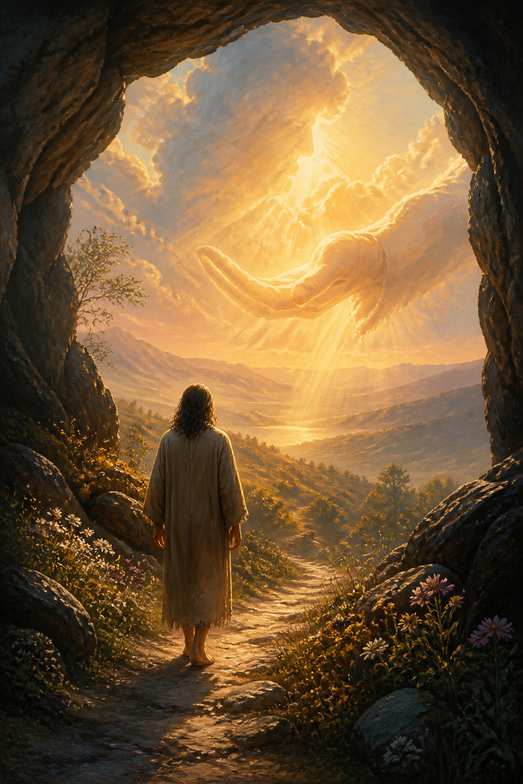
There is a particular loneliness that comes when you realize the world's answers have stopped working. The paths that seemed prudent, the counsel that sounded wise, the security you carefully built, suddenly they feel like a trap with no exit. The psalmist knew that feeling in the cave: "Look to my right and see, there is no one who takes notice of me... no one cares for my soul" (Psalm 142:4). It is the spiritual vertigo of discovering that the wisdom of the age has vanished just when you need it most.
Jeremiah looks at Edom, a people famous for their wisdom, their secure mountain strongholds, their carefully stored treasures...and announces that the bottom has fallen out. The wise counselors of Teman have nothing left to say. The mighty men are terrified. All the wealth hoarded in hidden places will be stripped bare. This is not cruelty from the prophet; it is the terrible honesty of Scripture. Every human system we treat as ultimate will eventually reach its limit. The trap the psalmist sensed is real: we live in a world that promises refuge but cannot ultimately provide it.
Yet notice what God says in the middle of Edom's collapse: "Leave your fatherless children, I will keep them alive; and let your widows trust in me" (Jeremiah 49:11). Even in judgment, there is a strange and tender grace. The vulnerable ones, the ones human wisdom and power failed to protect, are gathered directly into God's care. The psalmist makes the same discovery: "When my spirit is faint, you know my way... Bring me out of prison, that I may give thanks to your name. The righteous will surround me" (Psalm 142:3, 7). God does not abandon the afflicted. God gathers them.
And then Ephesians tells us the startling thing: we are not merely rescued from the world's futility; we are invited to live differently within it. "Be renewed in the spirit of your minds," Paul writes, "and put on the new self, created after the likeness of God" (Ephesians 4:23-24). The old way, the world's way, is darkened, alienated, hardened, caught in a cycle of cynicism and futility. But the new way is tenderhearted, forgiving, truthful, generous. We are to "walk in love, as Christ loved us and gave himself up for us, a fragrant offering and sacrifice to God" (Ephesians 5:2).
This is the shape of Christian life: we have been found in the cave, trapped by what the world promised would work. We have watched human wisdom fail and human strength crumble. And instead of leaving us there, God has gathered us up; orphaned, widowed, imprisoned, and set our feet on a path that looks like Jesus. The new self is not a self-improvement project. It is a life poured out in love, because we have first been loved.
The world still builds its traps and peddles its wisdom. But we are learning a different way. We are learning Christ.
Prayer
God of the cave and the widow, when the world's wisdom has failed and the counsel of the prudent has vanished, meet us in our emptiness. Gather us up as you gathered the orphaned and the imprisoned. Renew our minds, that we might not be conformed to the futility around us, but transformed into the likeness of your love. Teach us to walk as Christ walked. Not grasping, but giving; not hardened, but tenderhearted; a fragrant offering in a world that desperately needs the scent of grace. In Jesus' name, Amen.

-
Trinity Parish Presbyterian Church